In Part 1 of our proptech series, we learned about the technologies that make office buildings smart: IoT sensors, artificial intelligence, digital platforms, and sustainability solutions. But how are these technologies used in practice? How big a difference do they really make?
Let's look at the most important use cases for proptech in Norwegian office buildings and facility management (FM).
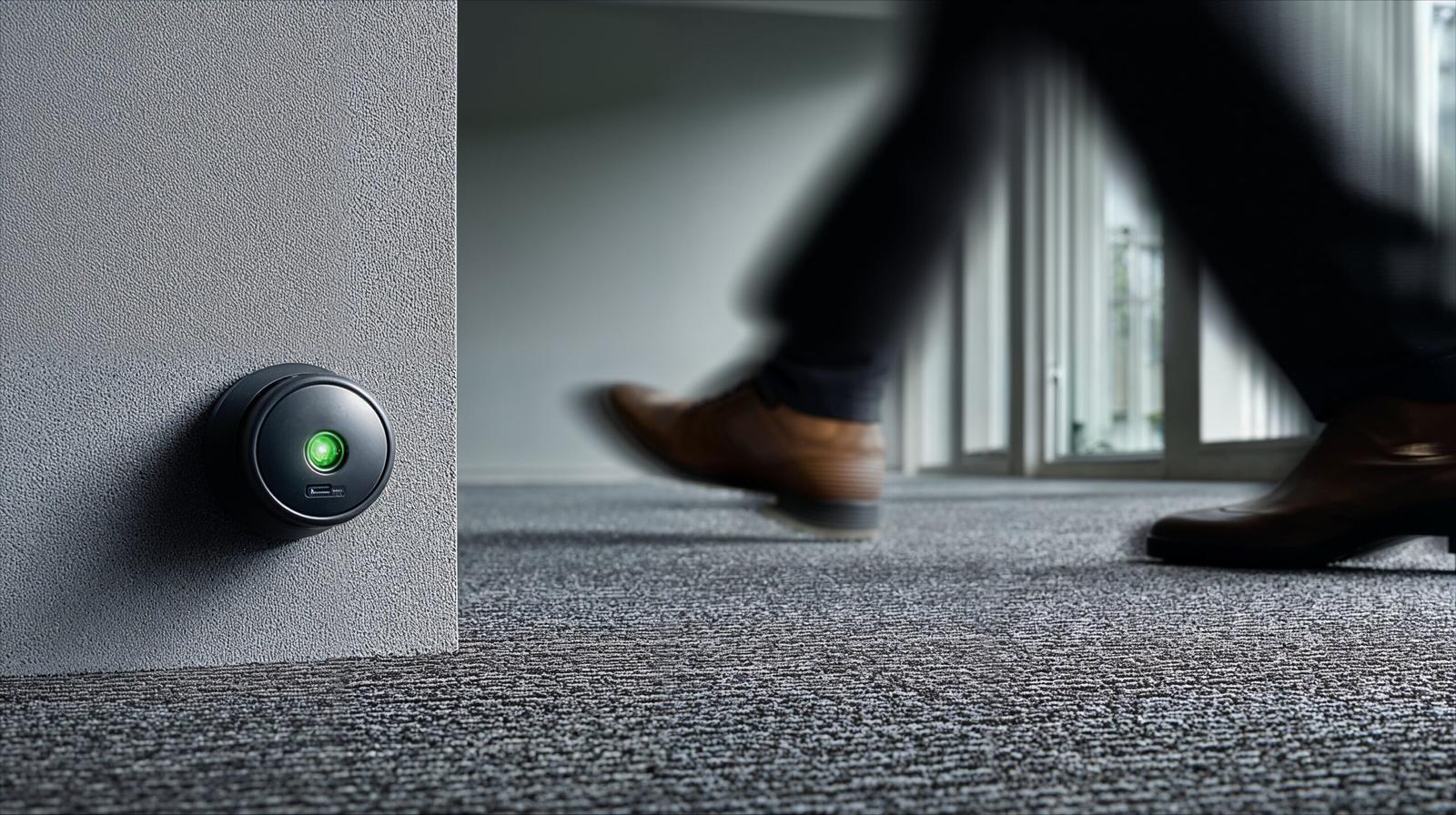
Modern office buildings are equipped with smart control systems that can automatically adjust lighting, ventilation, and heating based on sensor data. When sensors detect that a meeting room is empty, lighting dims and ventilation is reduced. When people return, the environment is adjusted again.
This provides better comfort for those working there and reduces energy consumption when premises are empty. Many office buildings report 20-30% lower energy bills after installing such technology.
Traditionally, maintenance of office buildings has been calendar-driven ("we check the elevator every three months") or reaction-based ("we fix it when it breaks"). With proptech, this changes to proactive operations.
Sensors on equipment such as elevators, ventilation systems, and pumps continuously monitor the condition. AI models analyze the data and can alert before a component fails.
Result:
In modern office buildings, tenant apps are becoming increasingly common. These function as a "remote control" for the office building, where employees can:
For property owners, the app provides direct communication with all tenants. Push messages about maintenance work, satisfaction surveys, or building news get through immediately – no more notices on doors that aren't read.
Hybrid work forms have increased the need for smart space management. Proptech solutions in space management let companies monitor how office spaces are actually used.
Sensor data can for example show that:
This information is used to optimize layout, adjust lease terms, or plan better. Desk booking apps let employees book a workspace for the day if the company has flexible workstations, and give administration an overview of how many actually use the office.
Norway has established itself as a significant player in proptech, with several companies delivering solutions in use worldwide:
Established successes
Airthings (Oslo): World leader in IoT sensors for indoor climate and air quality in office buildings
Spacemaker (now part of Autodesk) (Oslo): AI platform for building optimization, sold to Autodesk for billions
Growing players
Izy (Oslo): Comprehensive platform bringing together all office building services – from meeting room booking to AI-powered canteen payments – in one solution
PowerPal (Stavanger): Smart energy management that optimizes electricity consumption and reduces emissions
Carrot (Bergen): Motivates tenants for better recycling through real-time data
These companies show the breadth of Norwegian proptech – from hardware and sensors to AI and digital platforms.
Read more about Proptech and Izy in Part 3.