Digitalizing services in a building represents a fundamental shift in how buildings operate and interact with occupants.
Efficiency, adaptability, and user-friendliness are increasingly important, and the real estate industry faces a unique opportunity to transform. Digitalizing building services is not just a step toward the future - it's a necessity to keep pace with technological development.
By consolidating features such as meeting room booking, canteen payments, visitor registration, and building information in one solution, you can provide a more streamlined and efficient everyday experience for everyone involved. This isn't just about improving how building services are managed, but also how information about the building - its certifications, sustainability goals, and surroundings - is communicated to tenants and visitors. Digitalization opens up innovative communication possibilities, such as sending customized news and notifications directly to tenants' phones, creating a more engaging and personal experience.
The building becomes a digital interface, not only for you as a landlord and your building's service providers, but also for end users. This digitalization can encompass everything from simple building management to facilitating better tenant experiences. The benefits are numerous, and over time this leads to higher returns and easier operations.
Let's explore how digitalization can transform a traditional building into a vibrant, dynamic, and forward-thinking environment:
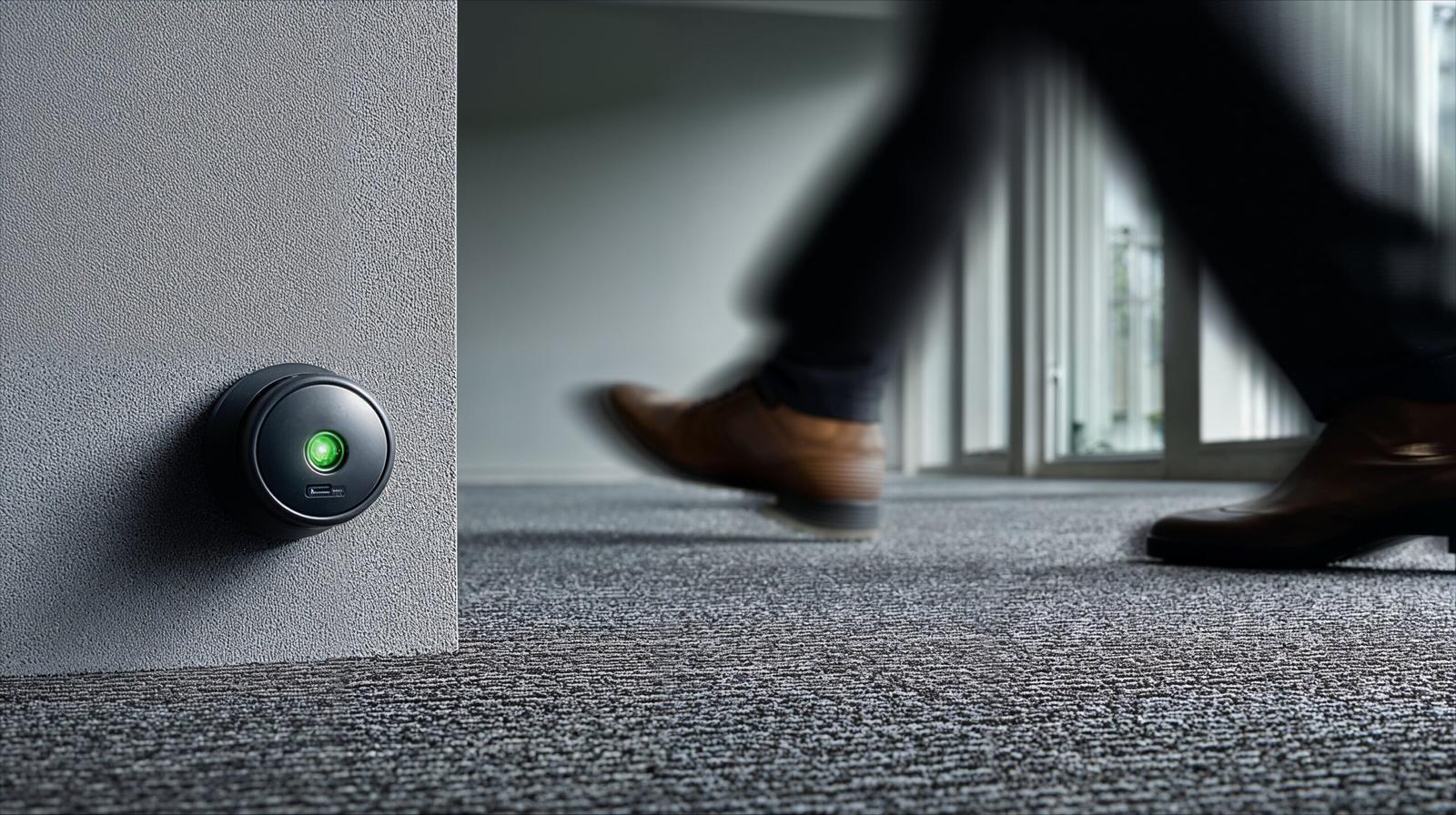
How space is utilized in your building can be revolutionized through digitalization. By implementing smart building technologies such as sensors and IoT devices, you as a landlord can achieve more dynamic and efficient use of space. For example, data collected from motion sensors and meeting room booking systems can provide insight into actual room usage, allowing you to optimize the utilization of every square meter. By restructuring and adapting spaces based on real usage data, you can free up space for new tenants or additional services that increase the building's revenue.
Digitalization is a powerful tool for improving building attractiveness. Modern tenants and visitors seek buildings that reflect their digital lifestyle, where convenience and connectivity are central. By integrating smart technologies such as mobile access control and customized app-based services, you can offer a more engaging and personalized experience. This contributes not only to increased satisfaction among users, but also to a stronger brand identity that positions the building as innovative and forward-thinking.
Leading the way in digitalization means setting the standard for the building of the future. When a building adopts the latest technologies, it signals a commitment to innovation and sustainability. This can include everything from energy-efficient systems to integrated platforms that simplify management and maintenance. By being early to adopt such solutions, you position yourself as an industry leader, creating not only a competitive advantage but also a reputation as a pioneer in smart technology and sustainable solutions.
The way we work is constantly evolving, and digitalization plays a central role in creating flexible and functional workspaces. With technological solutions such as smart lighting, climate control, and adaptable meeting rooms, building spaces can be easily reconfigured to meet tenants' changing needs. Digital booking systems and room management technologies allow users to customize and manage spaces in real time, enhancing both productivity and workplace satisfaction.
Digitalization is key to creating a workplace that is not only functional but also engaging and forward-looking. By implementing technologies such as interactive signage, app-based services, and integrated communication platforms, you provide opportunities to interact with the building and use its services directly from a smartphone. This creates a more dynamic, responsive, and personalized work experience.
Digital technology is a game-changer when it comes to fully understanding and leveraging your building's capabilities. Data analysis and real-time insights from sensors and systems provide a detailed overview of how different parts of the building are used, including traffic patterns, space usage, and resource consumption. With this data, you can make informed decisions about optimizing space utilization, resulting in increased efficiency and profitability.
Digitalizing your building's services contributes significantly to shaping its reputation as forward-thinking and modern. This can attract technology-conscious tenants as well as partners who value forward-thinking and sustainable solutions. The digitalization of building services represents more than just a technological upgrade - it's a necessary adaptation to an increasingly connected and dynamic world. By embracing this digital transformation, you enable your property not only to meet today's demands but also to lead the way in tomorrow's real estate market. Digitalization is no longer a choice, but an imperative for ensuring long-term success and relevance in the real estate industry.